
Shanahan Foundation Fellows
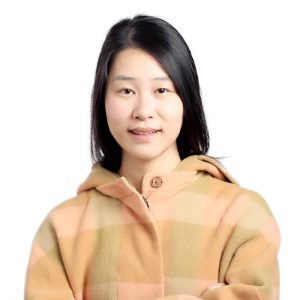
Yiliu Wang
Yiliu Wang joined the Allen Institute in 2023 as a Shanahan Foundation Fellow. At the Allen Institute, she addresses fundamental questions in neuroscience by developing advanced mathematical models that bridge AI and brain research. Her current work focuses on studying neuronal populations as interconnected cell types, investigating their spatial organization, firing patterns, and interactions across different brain states—including loss of consciousness, behavioral tasks, and disease onset.
Yiliu holds a Master’s degree in Mathematics and Statistics from the University of Oxford and a PhD in Statistics from the London School of Economics (LSE), where she was supervised by Prof. Milan Vojnovic. During her doctoral research, she worked on inference, optimization, approximation, and set selection problems in relational learning, a subfield of high-dimensional statistics. She finds neuronal datasets an ideal testing ground for relational learning methods and a source of inspiration for advancing them.
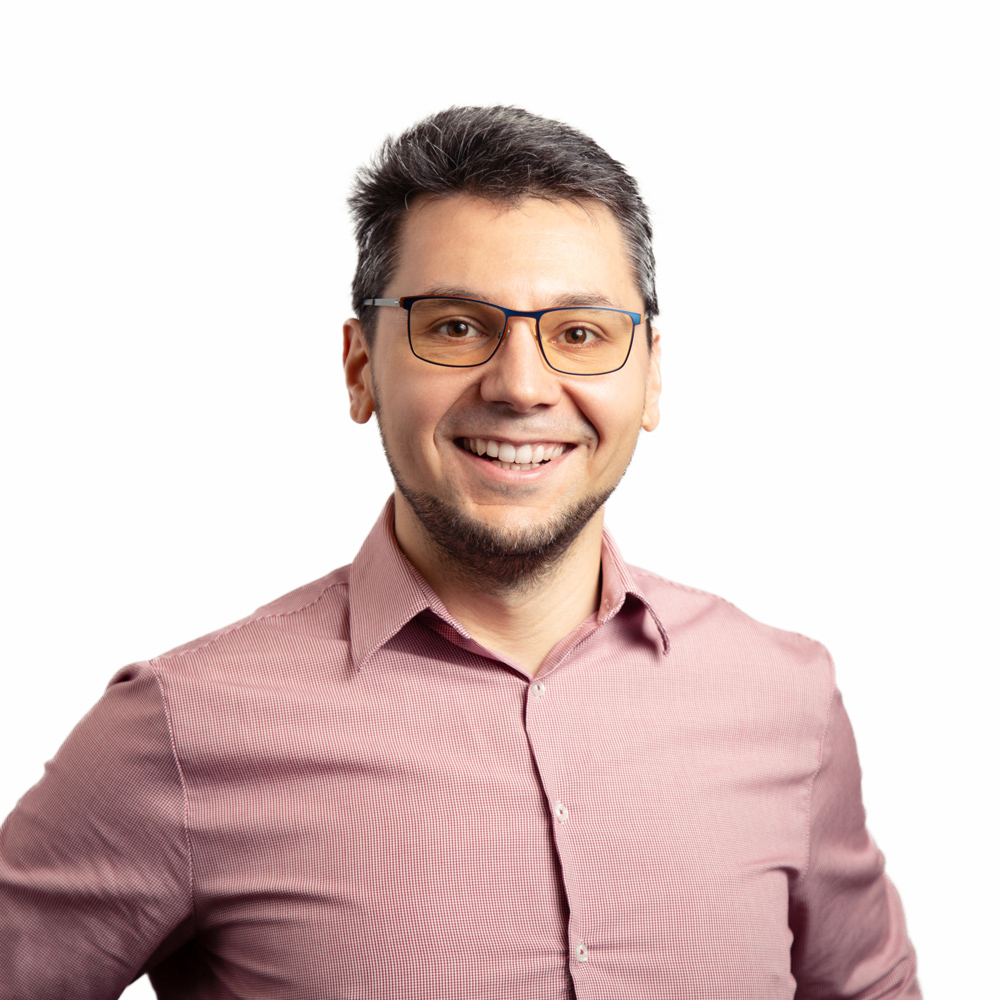
Denis Turcu
Denis Turcu joined the Allen Institute and the University of Washington as a Shanahan Family Foundation Fellow in September 2024. He received his Ph.D. in Neuroscience from Columbia University, working with Prof. Larry Abbott and Prof. Nathaniel Sawtell. His graduate studies focused on computational models of active electro-sensing, a complex foraging behavior of weakly electric fish. He developed and combined a physics model of the behavior, an input-output model of electroreceptors based on local field potential data, and artificial neural network models to investigate how weakly electric fish extract behaviorally relevant information from electrosensory stimuli. He also investigated how decision making could be supported by biologically plausible circuits, such as recurrent and highly sparse networks similar to connectivity in the neocortex, where decision likely take place.
As a Shanahan Fellow, Denis is interested in how external synaptic modulators affect plasticity and what is the role of various neuromodulators in learning. He is also interested in the role of sensory feedback in producing motor activity that is robust to perturbations. Denis is enthusiastic about contributing to the Allen Institute’s mission of open, team science and collaborating with the neuroscience community at the University of Washington, by seeking computational principles that enable neural circuits to function remarkably well.

Maria Tikhanovskaya
Maria Tikhanovskaya joined the Allen Institute and the University of Washington as a Shanahan Fellow in January 2025. Maria earned her Ph.D. in Physics from Harvard University in 2024, where she worked with Professor Subir Sachdev on developing theoretical frameworks to better understand the complex phase diagram of high-temperature superconductors. During her Ph.D., she also worked at Google Research as a student researcher, applying large language models to problems in physics and quantum chemistry. As a Shanahan Fellow, Maria is eager to leverage her expertise in physics and modern AI to contribute to advances in computational neuroscience.
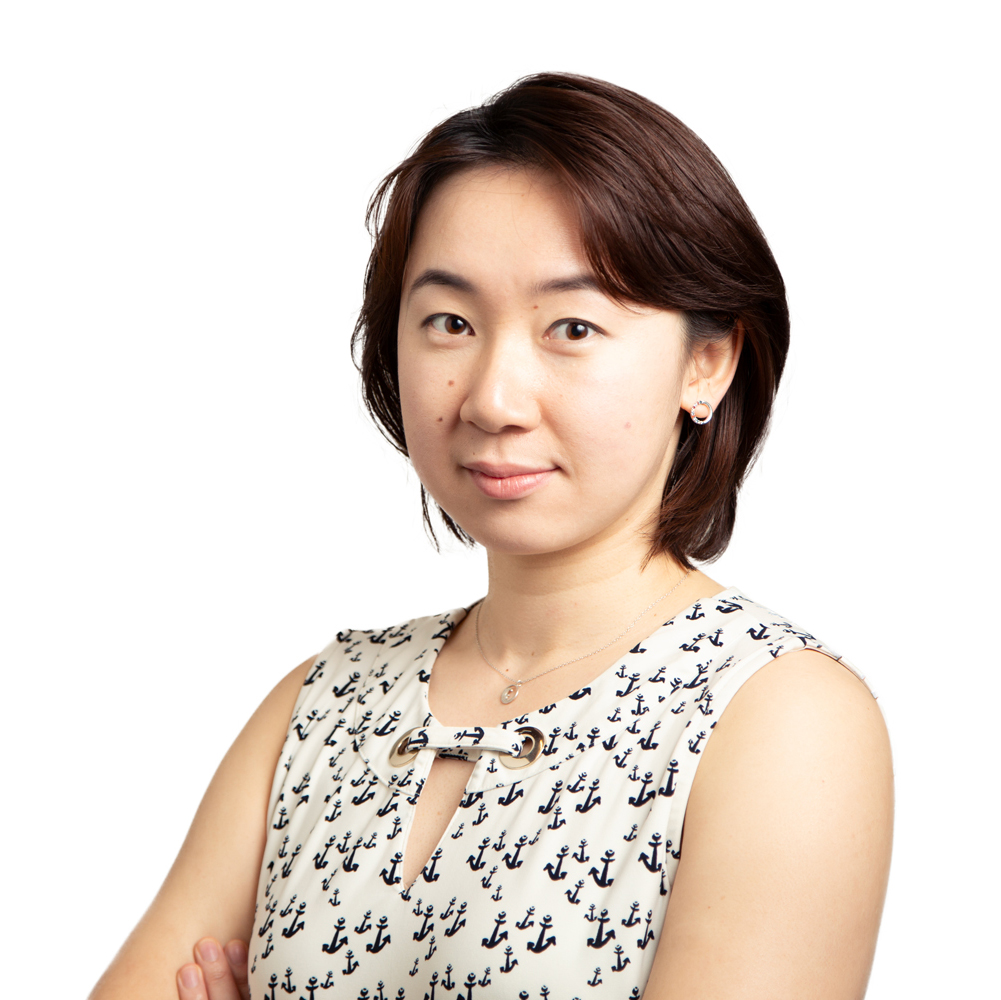
Shuchen Wu
Shuchen Wu joined the Allen Institute and the University of Washington as a Shanahan Foundation Fellow in February 2025. Before the fellowship, Shuchen conducted research at the Explainable Machine Learning Lab at Helmholtz Munich, developing data-driven methods to interpret neural activity in large language models. Prior to that, Shuchen completed a PhD at the Max Planck Institute for Biological Cybernetics, investigating sequence chunking—how primitive sequences form reusable chunks, facilitating the acquisition of complex sequence representations, mentored by Eric Schulz, Peter Dayan, and Felix Wichmann. Shuchen holds a bachelor’s degree from the University of Rochester and a master’s degree in Neural Systems and Computation from the University of Zurich & ETH Zurich.
Tim Kim
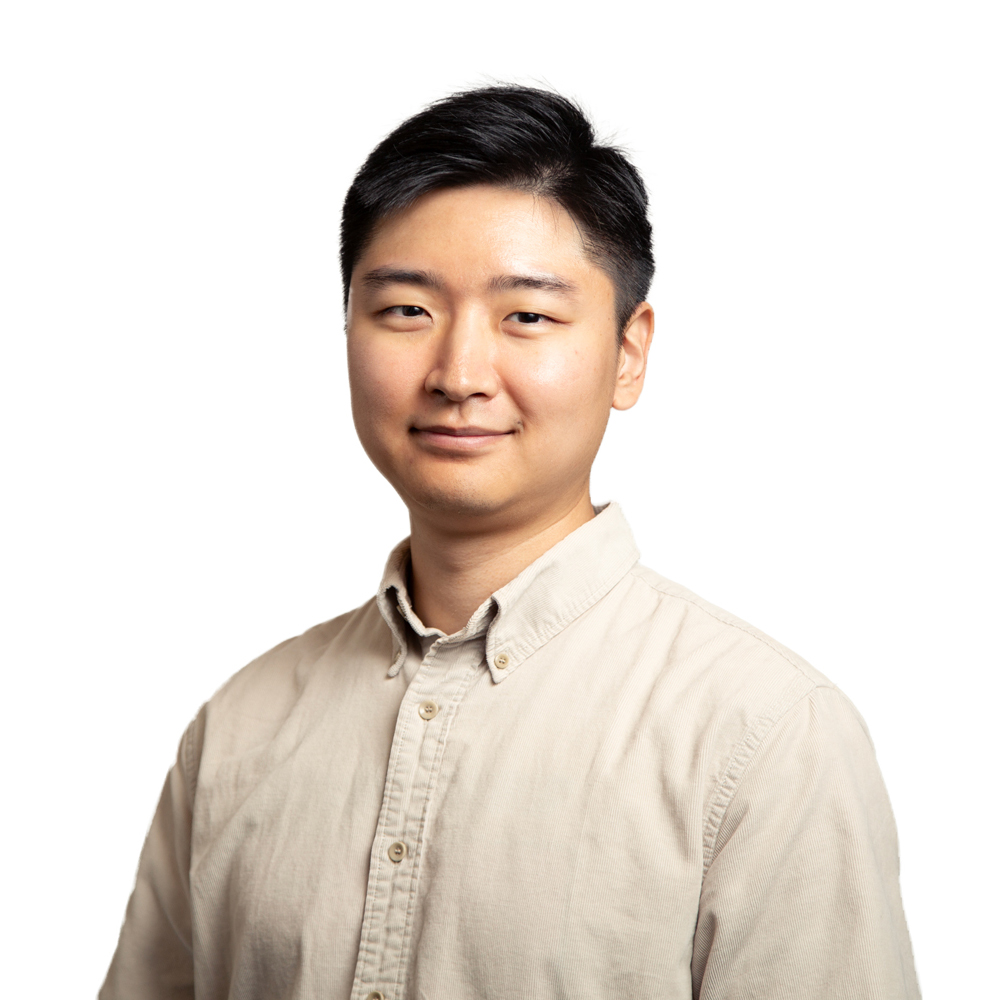
Tim Kim joined the Allen Institute and the University of Washington as a Shanahan Foundation Fellow in December 2024. He received his PhD in Neuroscience from Princeton University, where he worked with Carlos Brody and Jonathan Pillow. During his PhD, Tim developed unsupervised methods for discovering interpretable latent dynamics in high-dimensional neural data. Before that, he completed his undergraduate studies at the University of Pennsylvania, where he worked with Joshua Gold. As a Shanahan Fellow, Tim is analyzing new neural population datasets at the Allen Institute, and developing data-driven methods to bridge different levels of description, from individual cell types to interactions between multiple brain regions and behavior.
Janne Lappalainen
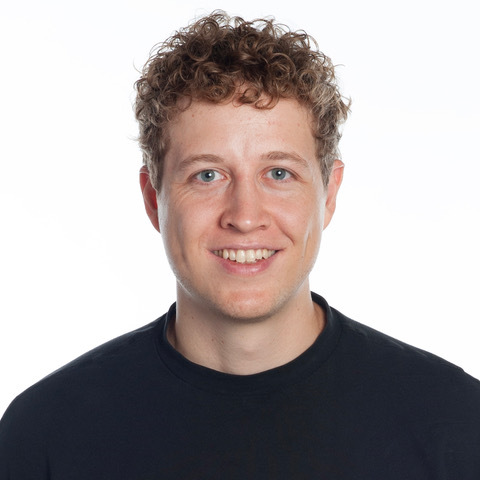
How do brains compute and learn? Janne’s research asks how we can use rich biological measurements and computational approaches to build models of brains and organisms that perform challenging, real-world tasks. He develops neural-network simulations that integrate complex biological data with modern machine learning and theory, aiming toward accurate whole-brain and organism-level models that support neuroscientific discovery.During his doctoral work at the University of Tübingen, supervised by Prof. Jakob Macke and Dr. Srinivas Turaga, he led the development of deep mechanistic networks to study when—and how—detailed measurements of brain wiring (connectomes) can enable accurate, neuron-level predictions of neural dynamics across the brain. Before his Ph.D., he earned a B.Sc. in Physics from the University of Göttingen and an M.Sc. in Neuroengineering from the Technical University of Munich, and worked as a researcher at HHMI Janelia in Dr. Turaga’s group.

Libby Zhang
Libby Zhang joined the Allen Institute and the University of Washington as a Shanahan Fellow in January 2026. Broadly, she is interested in understanding how low-level sensorimotor interactions give rise to higher-level cognitive processes that support flexible and adaptive behavior across contexts and throughout life. This interest spans research areas such as multiregion and network modeling, predictive processing, and continual learning. She brings experience in hierarchical Bayesian state space modeling, and actively seeks to leverage methods that balance expressivity with interpretability.Libby earned her Ph.D. in Electrical Engineering from Stanford University. While there, she worked with Dr. Scott Linderman to develop high-dimensional time-series models and scalable inference algorithms for unsupervised behavioral analysis. These methods were applied at both subsecond timescales and at extended timescales relevant to learning, development, and aging. Prior to that, she received her B.S. and M.Eng. in Electrical Engineering from MIT, where she worked with Drs. Ann Graybiel, Michael Cima, and Helen Schwerdt to develop chronically-implantable carbon fiber microelectrode arrays for neurochemical recording.
CiCi Xingyu Zheng
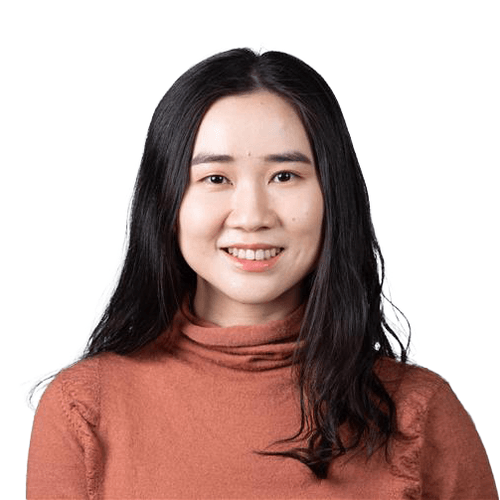
CiCi Zheng is a Shanahan Foundation Fellow at the Allen Institute and the University of Washington, where she develops computational and theoretical tools to understand how the cortical cell types are established during development, how that complexity supports learning, and how the structure of experience itself shapes what brains and machines can learn. Her current work spans methods for integrating multi-modal omics data to map developmental trajectories, discovering cell states in the adult brain, and theory for how data arrival and task structure influence continual learning.
She completed her Ph.D. in Quantitative Biology at Cold Spring Harbor Laboratory, advised by Saket Navlakha and Alexei Koulakov, with a thesis on statistical modeling of networks in natural systems. Her interdisciplinary research background spans plant developmental networks (including leaf vein reticulation and root foraging strategies) before transitioning into neuroscience, where she studied sensory circuit adaptation and representational drift in the olfactory system, as well as representation and learning dynamics in neural networks.
Broadly, CiCi is drawn to how complex biological systems assemble with both robustness and plasticity, and what principles connect the formation of neural circuits to the learning they eventually carry out. At the Allen Institute, she is grateful to work alongside experimentalists and theorists to bring quantitative insights to neuroscience questions across scales.
Noga Mudrik
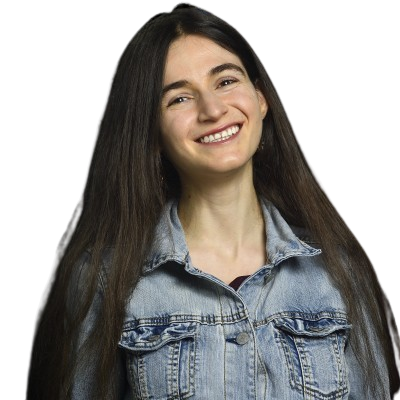
Noga Mudrik joined the Allen Institute and the University of Washington as a Shanahan Foundation Fellow in July 2026. She received her Ph.D. in Biomedical Engineering from Johns Hopkins University, where she worked with Dr. Adam Charles. In her PhD, she developed computational and machine learning methods for high-dimensional neural recordings, with a focus on identifying interpretable latent structure that shifts over time and across conditions. Before that, she completed dual undergraduate degrees in neuroscience and in biomedical engineering at Tel Aviv University. As a Shanahan Fellow, Noga is developing new computational approaches to neural dynamics, across theory and applications.